pitachosen's pick · Updated July 2026
The Psychology of Money: Timeless lessons on wealth
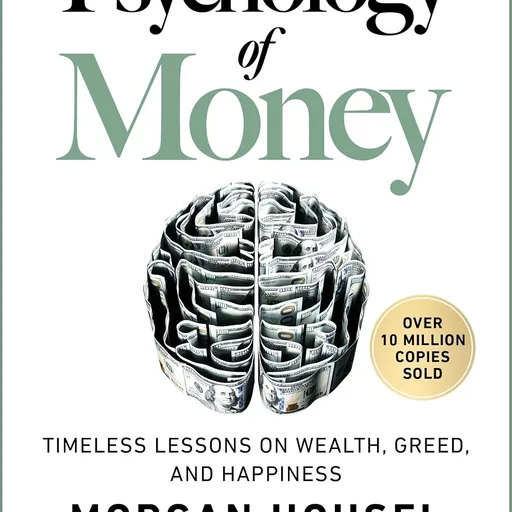

The Psychology of Money may suit readers who want a clearer way to think about money decisions, not just a list of tips for budgeting or investing. It is also a fit for people who like personal finance writing that stays close to behavior, habits, and the emotional side of wealth instead of leaning only on formulas and market jargon. If someone wants a book that frames money as a mix of judgment, luck, patience, and tradeoffs, this title is worth a look.
One reason it gets so much attention is the promise of timeless lessons rather than a narrow how-to manual. That matters because many money books age quickly when they focus on a single trend, a single product, or a single market moment. A book built around behavior can stay useful longer, especially for readers trying to understand why people make uneven choices even when the numbers seem straightforward. If the goal is a broad, readable perspective on wealth and happiness, this kind of approach may be more useful than a technical finance guide.
The main thing to verify is whether the reader wants reflection or instruction. This kind of book can be a strong fit for someone who wants ideas to think with, but it may feel too general for someone looking for step-by-step investing rules, detailed portfolio guidance, or a dense reference they can keep returning to for numbers. That is not a flaw so much as a decision point. Before buying, it helps to check whether the reader wants a narrative about money behavior or a more practical handbook.
The evidence posture here should stay simple. Based on the title and framing alone, the book appears aimed at the intersection of money, behavior, and values, but any deeper judgment should come from the reader's own priorities or from a sample of the chapters and reviews. It is smart to check whether the writing style feels accessible, whether the examples are broad enough to stay relevant, and whether the lessons sound fresh rather than recycled. A book like this often succeeds or fails on clarity and point of view as much as on subject matter.
In the end, this may fit someone who wants to think more carefully about how money shapes choices and how emotions shape money decisions. It also looks like a good match for readers who prefer plain language and broad lessons over technical detail. If that is the kind of finance book they are after, this one is likely to belong on the short list.
Amazon product links on this guide are not currently affiliate links. Neither pitachosen nor Buyer Field Guide earns an affiliate commission from them.
See current price